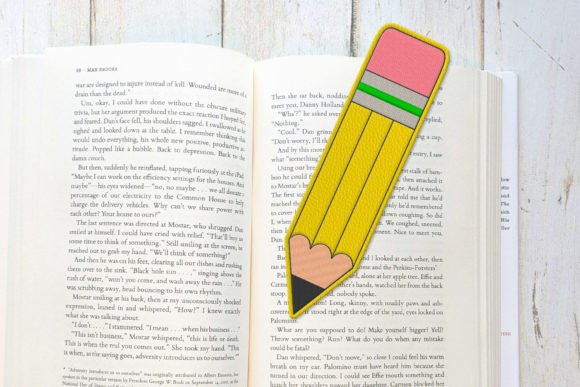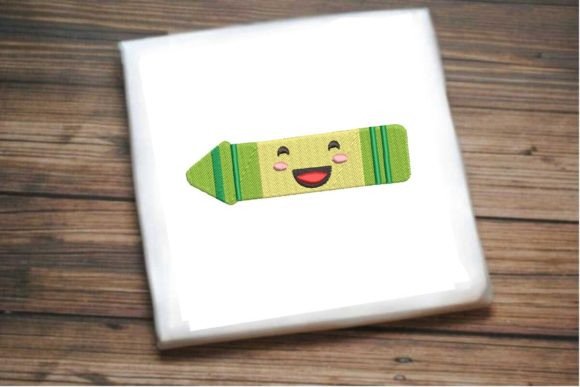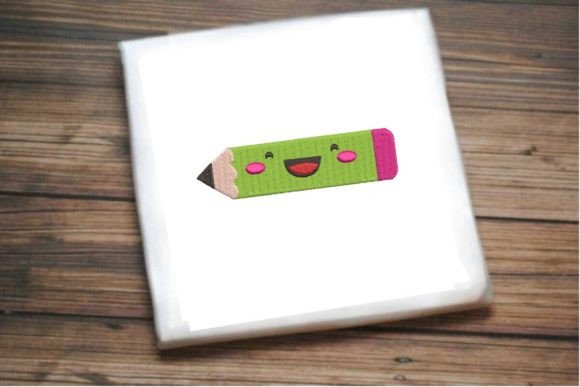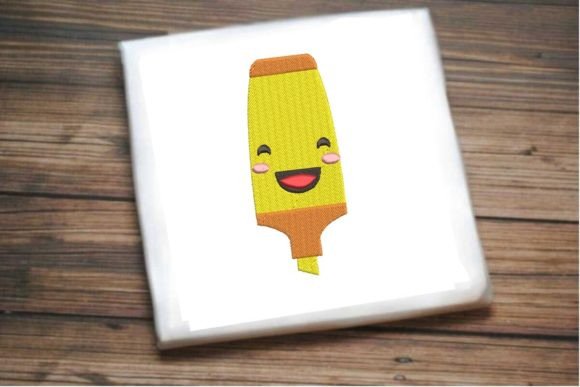
Pencil Embroidery Design
First Impressions of the Pencil Embroidery Design
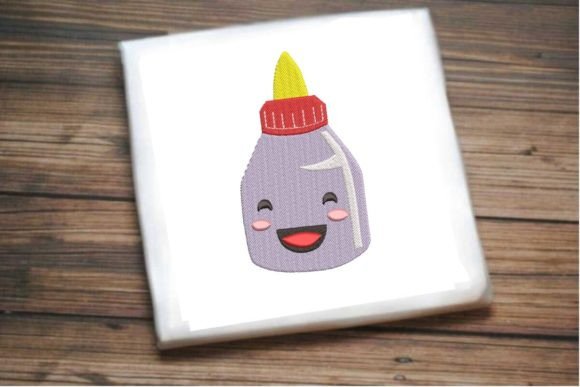
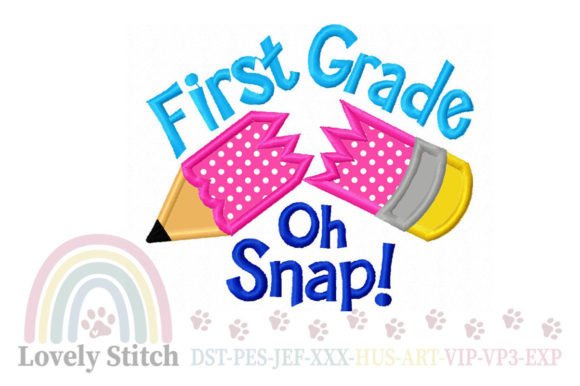
The Pencil Embroidery Design immediately catches the eye with its simple yet charming aesthetic. It exudes a playful and nostalgic vibe, perfect for back-to-school themes or educational-themed apparel. The design has a clean, minimal look that feels both premium and approachable. Its visual personality is warm and inviting, making it ideal for boutique brands looking to add a touch of whimsy to their collections.
The stitching mood is soft and delicate, with fine details that add depth without overwhelming the fabric. The decorative strength of the design is just right—enough to stand out on neutral backgrounds but not so bold as to compete with other elements. This makes it versatile for a range of garments and fabrics.
How Pencil Embroidery Design Performs on Different Apparel
For sweatshirt embroidery, the Pencil Embroidery Design works well on the chest or sleeve, offering a subtle yet stylish accent. On hoodie chest placement, it adds a professional touch without being too busy. For sleeve accents, it can be placed at the cuff or along the side seam to add a unique detail.
As a back design, the Pencil Embroidery Design offers a clean and elegant statement, especially when paired with a minimalist font or additional text. On t-shirt embroidery, it’s best suited for smaller placements, such as the shoulder or side panel, where it won’t get lost in the fabric texture.
The design also translates well to tote bag design, where it can be centered for maximum impact. For boutique merchandise, it adds a handmade feel that appeals to crafters and small shop product creators. When used in lifestyle product photos, it enhances the overall aesthetic and helps tell a story around the brand.
As a printable mockup, the Pencil Embroidery Design allows for easy visualization of how it will look on different garments. For Etsy listings, it can be used in social media graphics to showcase the design before production. In commercial embroidery, it offers a reliable and consistent look that meets the standards of most clients.
Where to Use the Pencil Embroidery Design Carefully
When considering small chest placement, ensure the design is large enough to maintain clarity. For dense stitch areas, check that the design doesn’t become too heavy on the fabric. On stretchy fabric, use a stabilizer to prevent distortion during sewing.
For fleece or ribbed fabric, test the design on a scrap piece first to ensure the stitches lay flat. When working with dark garments, choose a thread color that contrasts well to make the design pop. On curved surfaces, consider adjusting the design slightly for better fit.
If the design includes tiny lettering, verify that it remains legible after stitching. For areas that may stretch or wrinkle, ensure the design is placed where it won’t be compromised by movement or wear.
Impact on Apparel Value and Brand Identity
The Pencil Embroidery Design can significantly enhance the value of custom apparel. Its charm and simplicity make it an excellent choice for boutique brands aiming to create a cohesive and recognizable identity. As a handmade product, it adds a personal touch that resonates with customers looking for unique and thoughtful designs.
For Etsy sellers and small shop product creators, this design can boost buyer trust and customer engagement by offering something that stands out from mass-produced items. It also supports visual consistency across a product line, helping to build a strong and memorable brand presence.
Incorporating the Pencil Embroidery Design into a collection can elevate the professional presentation of your work, whether you're producing commercial embroidery or digital embroidery file products for sale.
Practical Embroidery Designer Notes
Before using the Pencil Embroidery Design on your project, always test on scrap fabric to see how the stitches interact with the material. Choose the right stabilizer based on the fabric type to ensure the design holds up over time.
Review thread colors to ensure they complement the garment and don’t fade quickly. Confirm the hoop size required for the design to avoid any issues during the embroidery process. Check the stitch density to ensure it’s appropriate for the fabric you’re using.
Test the design on a similar garment fabric to see how it looks and feels. Compare placement options to find the most flattering and functional position. Finally, review the Creative Fabrica product details and licensing terms to ensure you’re compliant when selling finished apparel.